Welte-Mignon Corporation [Welte Organ Co.]
Opus 211, 1927
University of Vermont
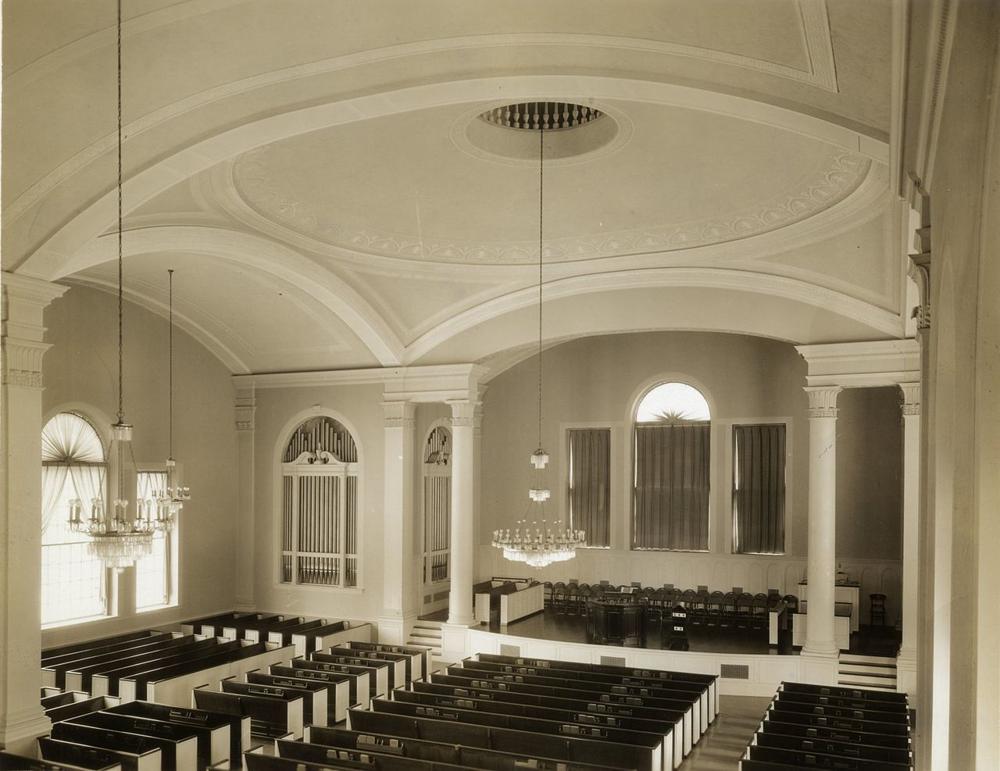
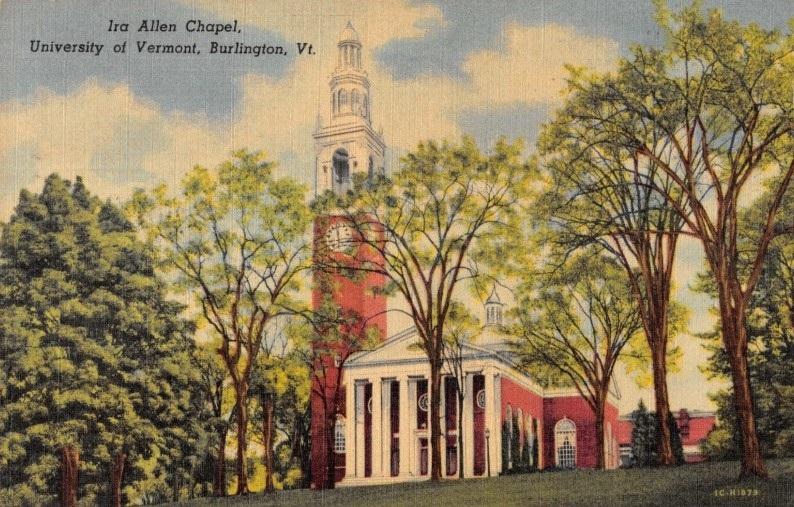
Ira Allen Chapel
26 University Place
Burlington, VT, US
23 Ranks - 1,791 Pipes
EXPLORE IMAGESSomething not quite correct?Suggest an Edit
This instrument has multiple revisions:
IMAGES

Something missing or not quite correct?Add ImageorSuggest an Edit
STOPLISTS
No stoplist details are available. If you have stoplists, please consider sharing them with us.
Something missing?Add Stoplist
CONSOLES
Builder: Welte-Mignon Corporation [Welte Organ Co.]
Position: Unknown
Design: Traditional With Roll Top
Pedalboard Type: Concave Radiating (Meeting AGO Standards)
Features:
3 Manuals (61 Notes)32 Note Pedal3 Divisions23 Stops53 RegistersElectrical Key ActionElectrical Stop ActionCrescendoCombination Thumb Piston(s)Combination Toe Piston(s)Coupler Toe Piston(s)Sforzando Toe Piston(s)Stop Layout: Stop Keys Above Top Manual
Expression Type: Balanced Expression Shoes/Pedals (Meeting AGO Standards)
Combination Action: Adjustable Combination Pistons
Control System: Unknown or N/A
Something missing or not quite correct?Add ConsoleorSuggest an Edit
DETAILS
The organ is extant in its entirety, and currently in storage. Rudewicz & Company, Inc. removed the organ from a University of Vermont storage facility in 2019.
Information received online from Peter Rudewicz on 2024-07-10
Jim Stettner on July 17th, 2021:
From Wikipedia: The original organ installed in the Ira Allen Chapel was a three-manual, electro-pneumatic Welte-Mignon Philharmonic Pipe Organ. The manual compass was CC to C4 (61 notes). The pedal compass was CCC to G (32 notes). The wind chests of the manuals featured superoctave couplers (4'), which extended the compass of the keyboards to 73 notes. There was also installed a reproducing console, which played recorded rolls in detail utilizing pedals, swells, and tempo characteristics of renown organists.[5]
During the chapel's dedication ceremony of 14 January 1927, the organ was played by Dr. T. Tertius Noble, the organist of St. Thomas' Church of New York, who concluded the event with two organ recitals composed of classical pieces, and an original piece that was said to have demonstrated the capabilities of the instrument.[29]
"The work was a study in harmony and scanty use of solo stops. A few arpeggios with the harp stop were most effectively used."
— Vermont Alumni Weekly, January 1927
In 1985, the pipe organ was removed due to building renovations requiring the installation of a new airshaft in place of the organ's pipes. The installation of a new pipe organ was estimated to cost in the millions of dollars, and was further anticipated to have complications due to the effect of varying temperature and humidity on the organ's intonation system. The prospect was thus determined to be cost-prohibitive. However, in August 2004, a new Rogers Trillium 3 digital electronic organ was installed (costing about $100,000).[30] Organ enthusiasts have argued against the authenticity of the digitally re-created pipe organ sound.[31]
Jim Stettner on July 17th, 2021:
The Pedal division has no idependent registers, but is rather comprised of borrows and extensions from manual ranks.
Jim Stettner on July 17th, 2021:
Identified from a post by Peter Rudewicz on Facebook's 'Kimball Pipe Organs'; July 17, 2021.
"Welte-Mignon Opus 211, built for the University of Vermont, holds the distinction of being one of the first and few Welte organs built for academic institutions in the United States. Installed in Ira Allen Chapel, both the organ and chapel were gifts from James B. Wilbur. The University solicited bids from at least four builders: Welte-Mignon, Estey, Moller, and Skinner. Estey was particularly keen to have the contract, since the University was practically in their backyard. Ultimately, the contract was awarded to Welte-Mignon, and the new organ was received with much excitement by the citizens of Burlington."
Something missing or not quite correct?Add NoteorAdd WebpageorAdd Cross ReferenceorSuggest an Edit