Parsons Pipe Organ Builders
Opus 36, 2013
Originally The Aeolian Co. (Opus 1345, 1916)
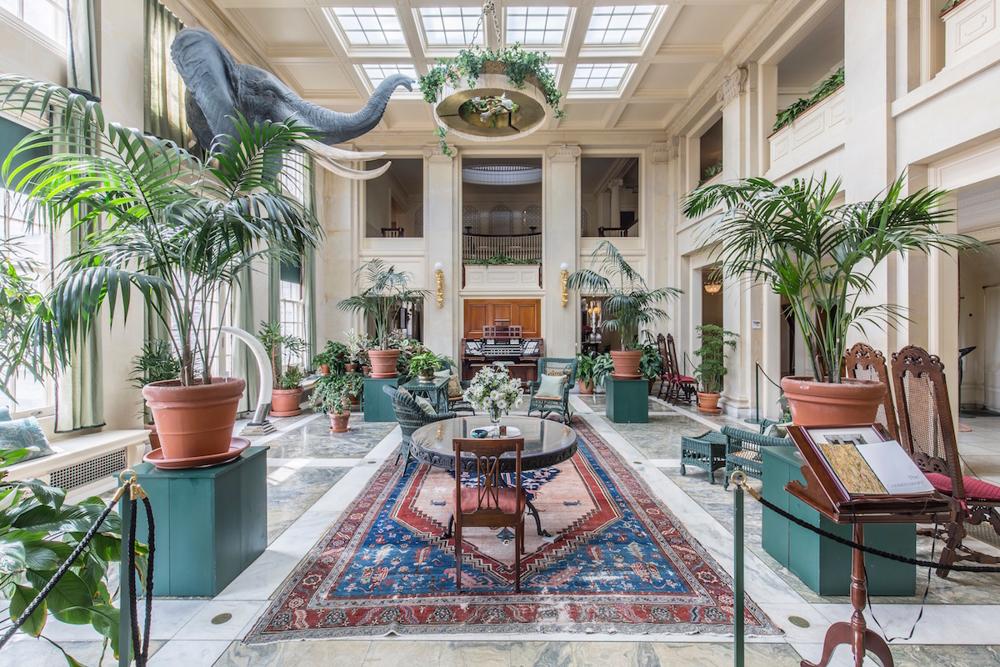
Residence: George Eastman / George Eastman Museum
North Organ
900 East Avenue
Rochester, NY, US
40 Ranks
EXPLORE IMAGESVIEW STOPLISTSomething not quite correct?Suggest an Edit
IMAGES

Something missing or not quite correct?Add ImageorSuggest an Edit
STOPLISTS
Something missing or not quite correct?Add Stoplist
CONSOLES
Builder: Unknown
Position: Unknown
Design: Unknown
Pedalboard Type: Unknown
Features:
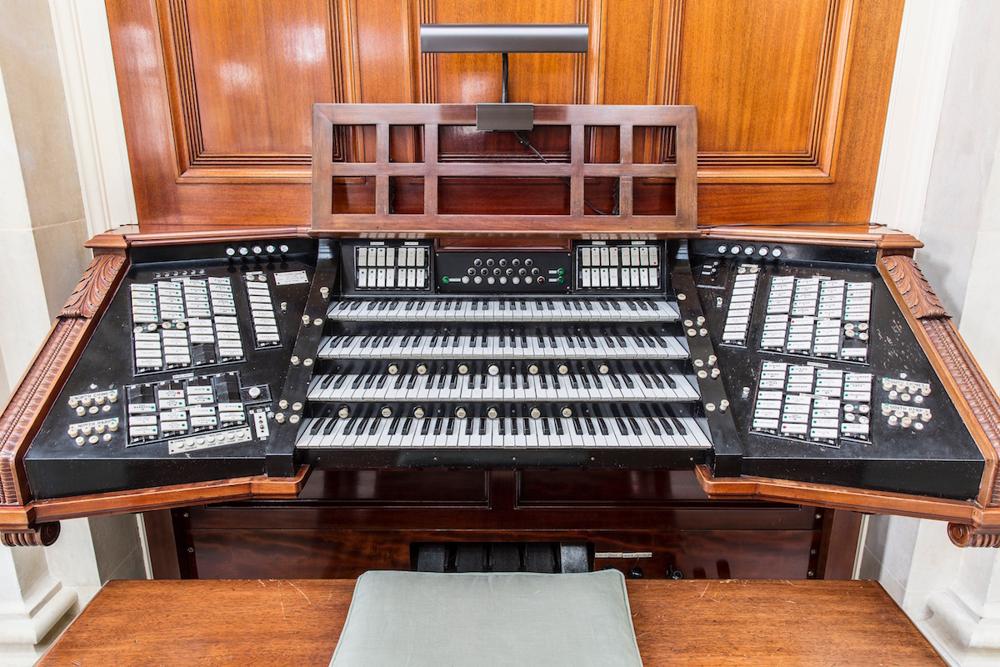
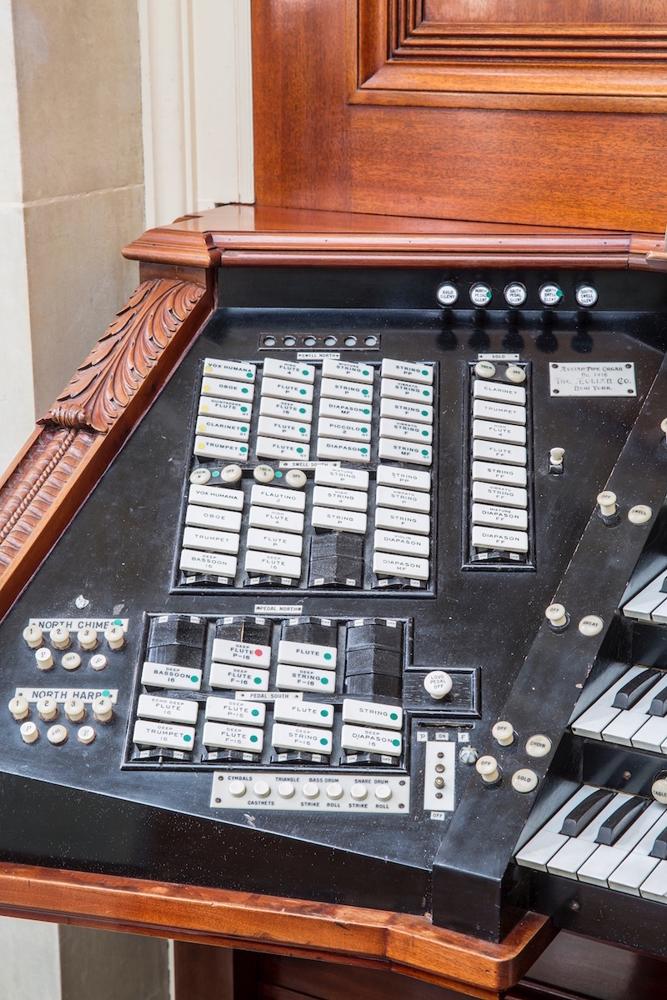
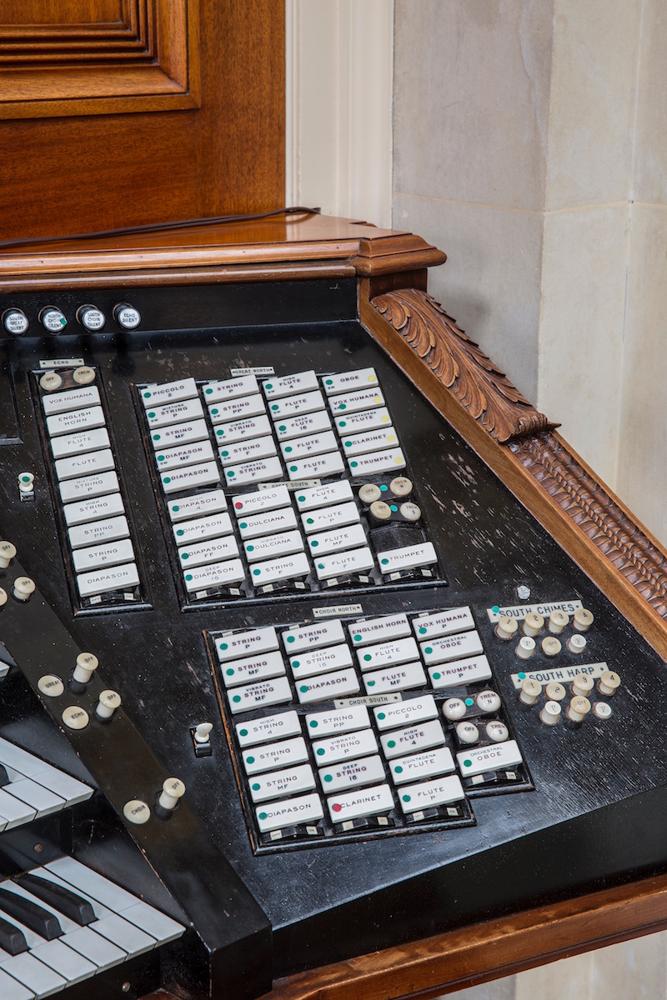
3 Manuals (61 Notes)30 Note Pedal36 Stops37 RegistersElectrical Key ActionElectrical Stop ActionStop Layout: Unknown
Expression Type: Unknown
Combination Action: Unknown
Control System: Unknown or N/A
Something missing or not quite correct?Add ConsoleorSuggest an Edit
DETAILS
Exhibited in the 2018 OHS convention(s)
This instrument is: ExtantandPlayable in this location
Organ relocated without any change.
Identified by Joe Blackburn, based on personal knowledge of the organ.
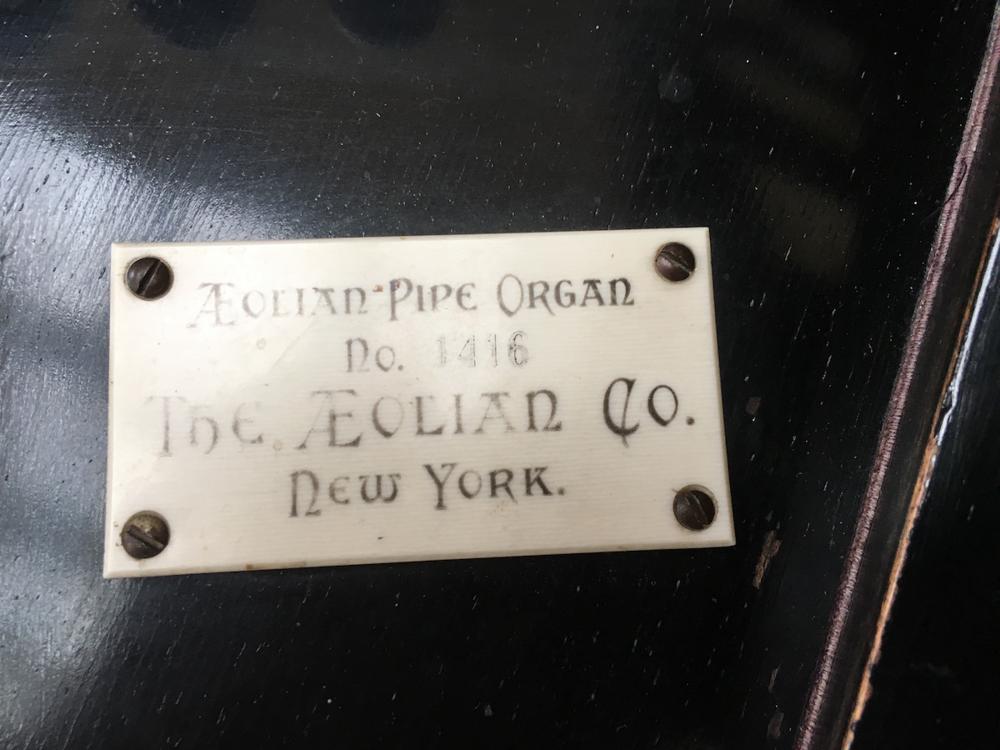
-- George Eastman's original organ was Opus 947 a 3/66 and player installed in 1905. In 1917 Eastman added 66 more ranks, an enlarged 4 manual console, and renumbered the whole instrument Opus 1416. That second half of the instrument was damaged by fire and in the 1970's it was removed.
Aeolian Opus 1345 has now been successfully paired with Aeolian Opus 947 as was first done by George Eastman in 1917 when he doubled the size of his Aeolian pipe organ and it became Opus 1416. Opus 947 is still referred to as the South Organ, and 1345/1416 is/was referred to as the North Organ. The two instruments have complimentary sounds and the effect when all played together is the sound that a conductor would hear while standing on the podium. It is in a modern term, Surround Sound.
Opus 1345 arrived in Rochester with a fully functioning and restored, by Dr. Richard Zipf of Sacramento California, console and player and they are still fully functional. The wiring between 1416 and 1345 was restored so that now both instruments can be played and controlled from the console of 1416 as well as by the Aeolian Duo Art roll player of Opus 1416. It is also possible to play two console organ duets.
When the original Opus 1416 was complete it contained 132 ranks. When the original North Organ was damaged and the pipes were removed the instrument was down to the original 66 ranks of pipes of Opus 947. With Opus 1345 taking the place of the Original North Organ it brings our current rank count to 106. To complete the tonal design as George Eastman wanted it to be, we need to add the other 26 ranks and most of them need to be Aeolian String Ranks. Yes, the original tonal design of the instrument included 49 ranks of strings. He wanted the instrument to sound like an orchestra and so half of those string ranks were celestes creating an automatic shimmering string sound without using Tremolos.
Related Instrument Entries: The Aeolian Co. (Opus 1345, 1916) , The Aeolian Co. (Opus 1345, 1916)
Something missing or not quite correct?Add NoteorAdd WebpageorAdd Cross ReferenceorSuggest an Edit