Tellers-Sommerhoff Organ Co.
Opus 123, 1917
Originally Philipp Wirsching (1890)
St. Mary's Roman Catholic Church
Pittsburgh (Sharpsburg), PA, US
35 Ranks
EXPLORE IMAGESVIEW STOPLISTSomething not quite correct?Suggest an Edit
🤝 Instrument entries in Pennsylvania sponsored by:
We are grateful for the generous support of our sponsors, who make it possible for us to continue our mission of preserving and promoting the rich history of pipe organs across the globe.


IMAGES
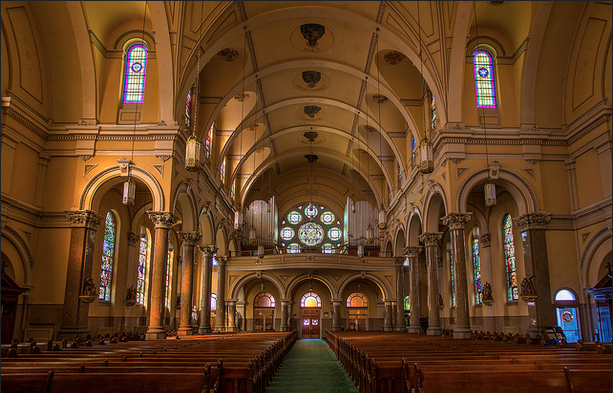
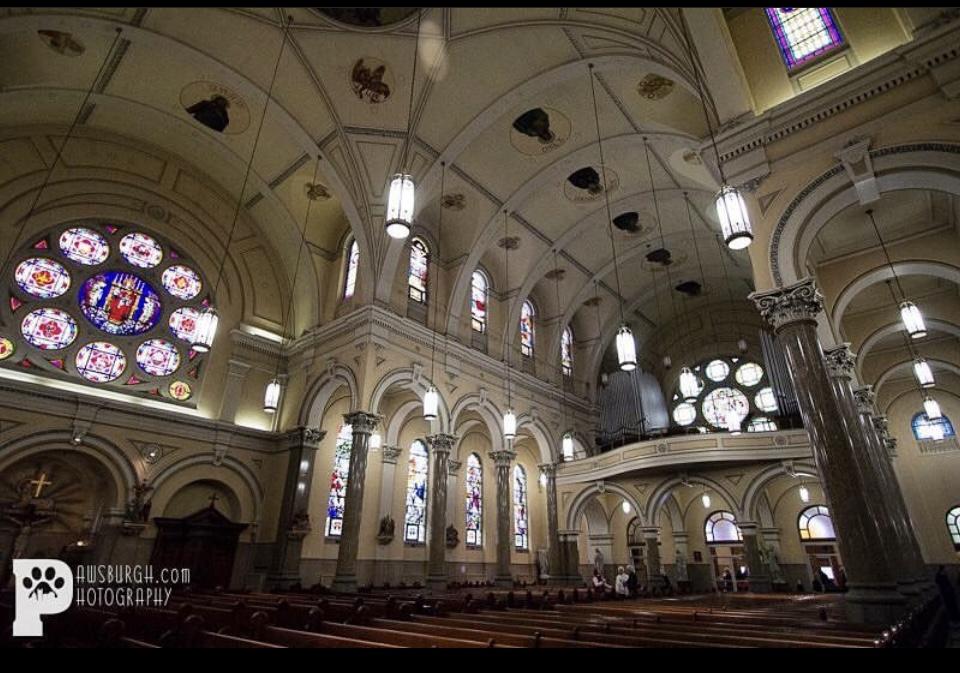
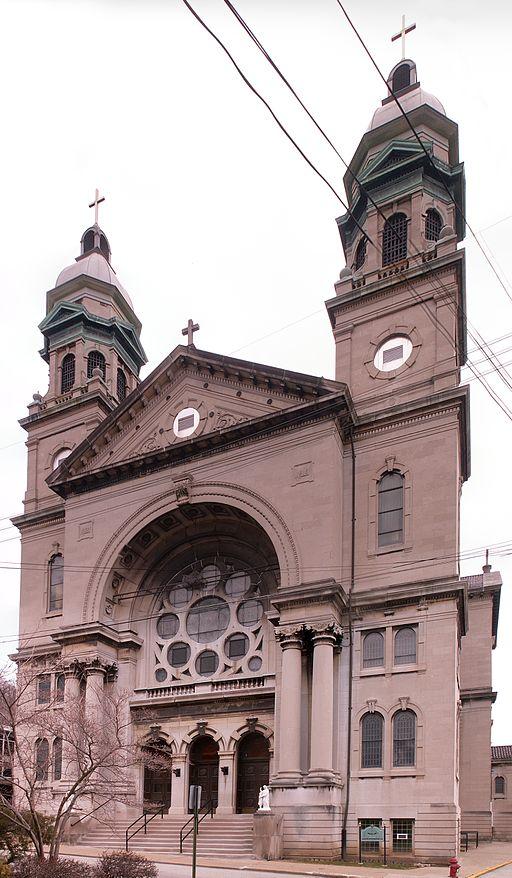
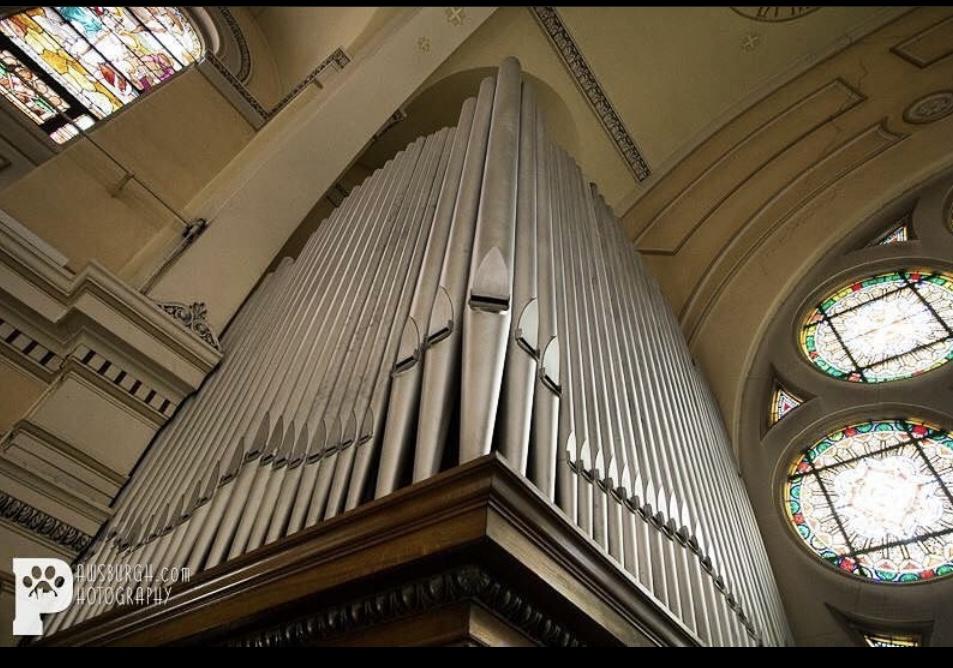
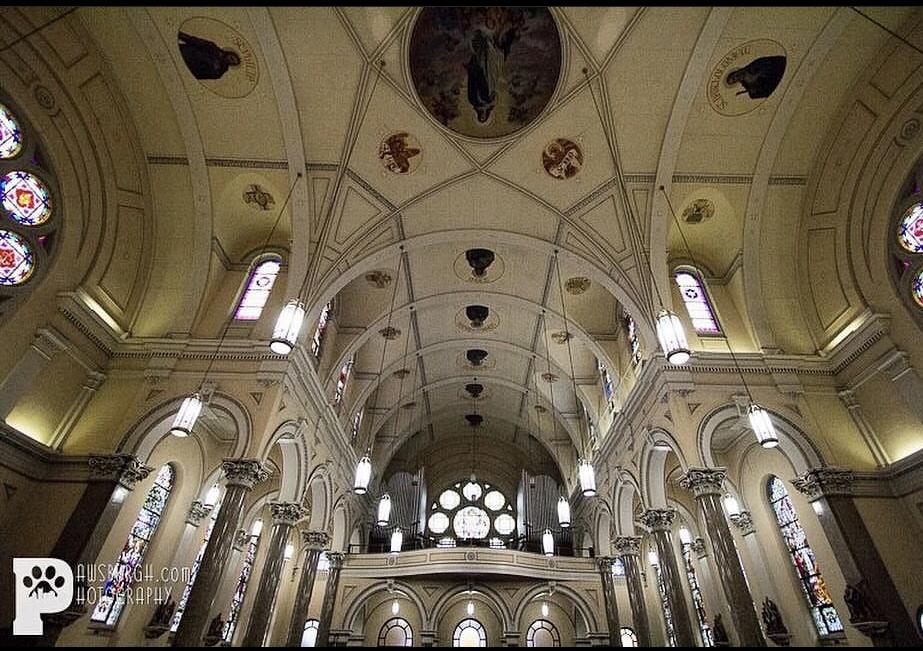
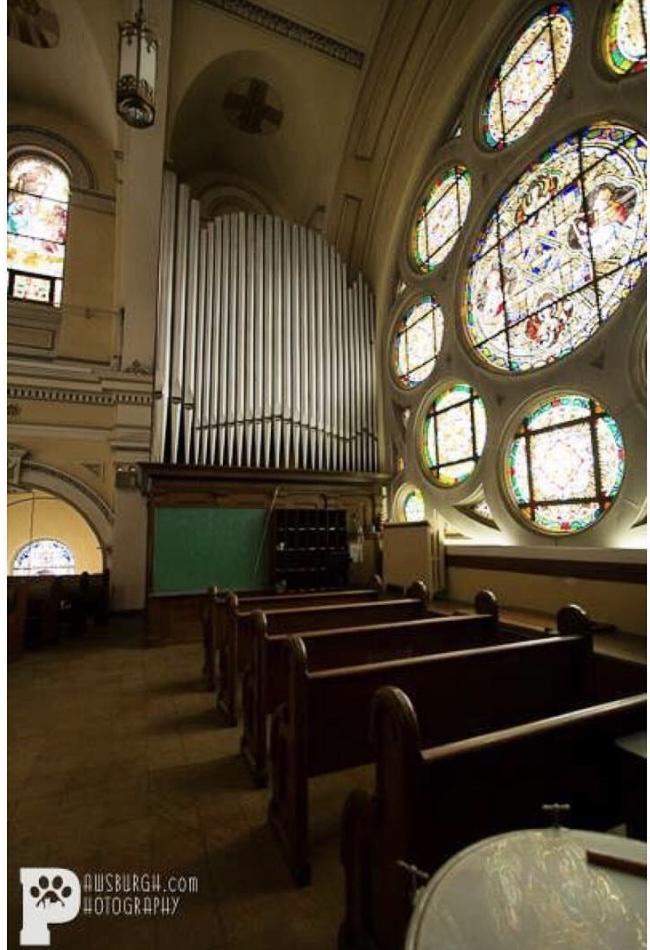
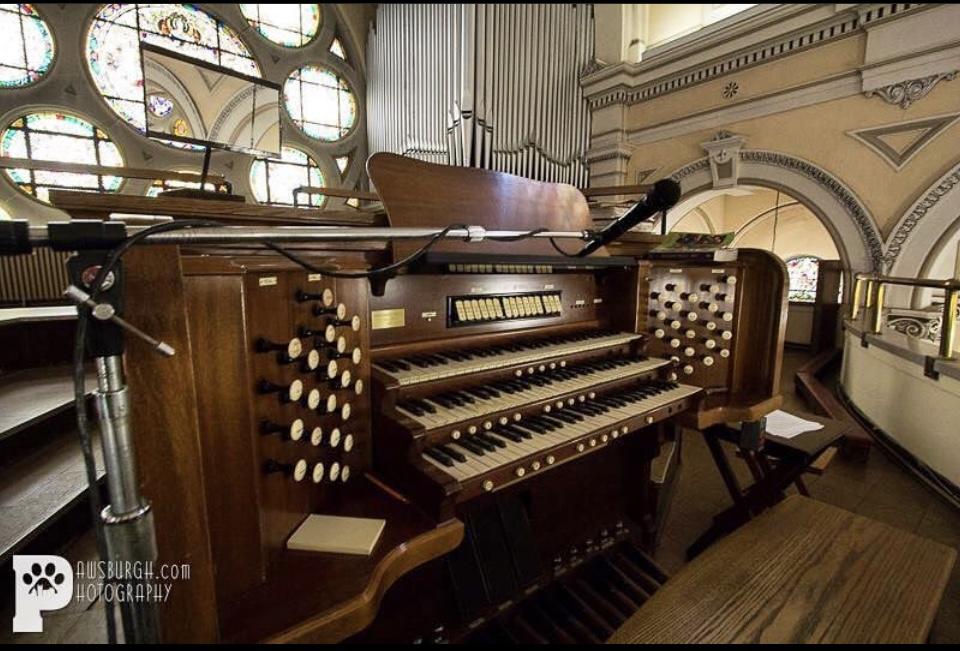
Something missing or not quite correct?Add ImageorSuggest an Edit
STOPLISTS
Something missing or not quite correct?Add Stoplist
CONSOLES
Builder: Unknown
Position: Console in Fixed Position, Center
Design: Traditional With Roll Top
Pedalboard Type: Concave Radiating (Meeting AGO Standards)
Features:
3 Manuals (61 Notes)32 Note Pedal4 Divisions35 StopsElectrical Key ActionElectrical Stop ActionCombination Thumb Piston(s)Coupler Toe Piston(s)Sforzando Toe Piston(s)Stop Layout: Drawknobs in Vertical Rows on Angled Jambs
Expression Type: Balanced Expression Shoes/Pedals (Meeting AGO Standards)
Combination Action: Adjustable Combination Pistons
Control System: Unknown or N/A
Something missing or not quite correct?Add ConsoleorSuggest an Edit
DETAILS
This instrument is: Extant and Playable in this location
Updated through online information from Joseph Tuttle.
Database Manager on February 3rd, 2015:
Updated through online information from Joseph Tuttle.
Database Manager on February 20th, 2012:
Updated through online information from Joseph Tuttle. -- Shipping tags were located on the backs of the swell boxes with the name "Tellers-Sommerhof" on them, and the name Albert Sommerhof and the year 1917 were written in pencil on the back of the swell division. After further inspection it has become clear that the instrument was original to this building, not moved or rebuilt from a previous location. There have been alterations made over the years, presumably by Tellers or another local company, including the addition of the Great upperwork. Most recent alterations were by Organcraft in 1980 with the replacement of the Great Trumpet and the patching in of newer stop controls in the console.
Database Manager on July 11th, 2011:
Updated through on-line information from Jeffrey A. Donnelly. -- On 7-July-2011, writing on the back of the Swell box has identified this instrument's origin in Erie, Pennsylvania and is signed by Albert Sommerhof at age 19, dated 21-September-1917, thus making this instrument original to the building in which it is housed. The facade is made up of both speaking and non-speaking pipes. Those that speak are the Great Open Diapason 16'.
It was renovated by Organcraft of Pittsburgh sometime in the 1980s. The organ is original to its 1917 state with the exception of the Great Trumpet 8' (likely replaced by Organcraft). The Great Nazard 2 2/3', Fifteenth 2' and Mixture III are possible additions, as these ranks are located on top of the choir box. Currently, approximately 2/3 of the organ is playable. The Great is fully playable, as are most of the swell ranks. The choir division is largely silent, but strangely more notes are starting to speak little by little. The Pedal ranks are all playable with the exception of some heavily damaged pipes in the Violone 16'. Most of the pipes are scroll tuned but were improperly cone tuned at some point, but are not beyond repair. Several of the stoppers in the wood ranks are in need of new leather. The leather on all reservoirs is in very good condition.
The pastor and music director of the parish have taken significant interest in the organ's condition and are doing as much as possible to bring the organ to a point where it is completely playable.
Database Manager on April 4th, 2011:
Updated through on-line information from Joseph Tuttle. -- The organ appears to have been transplanted from the previous structure (1889) to the current (1917). It was modified by Organcraft of Pittsburgh in the early to mid 1980s with new console components and a new Great Trumpet among them, and the removal of divisional ventil controls at the console. The instrument sits in twin cases with dummy facades in the rear gallery on either side of the rose window. Currently the organ is in a very poor working condition with barely half of the stops being fully playable. Much of the Swell and the entire Choir division are silent. Most pipes, even those originally scroll tuned, have been inappropriately cone tuned and hence heavily damaged over the years. A comprehensive refurbishment rebuild is needed to return the organ to full service.
Something missing or not quite correct?Add NoteorAdd WebpageorAdd Cross ReferenceorSuggest an Edit